

Do you have some sewing, knitting, crocheting, weaving, or other textile skills you are willing to share? Join us at MetroParks as we breathe new life into fiber arts and textile skills! We're seeking enthusiastic volunteers to help us create, maintain, and repair essential items at our historic farm and other MetroParks facilities. This is your chance to put your expertise to good use while making a positive impact in the community. If you have experience in any textile craft, we invite you to share your skills with us. Don’t worry if you're still learning—there will be plenty of opportunities to grow your abilities alongside fellow enthusiasts during our workdays.
Each week will bring new and exciting projects as we build a vibrant community of textile volunteers. We’ll conduct a skills assessment at the start of each project to tailor opportunities to everyone’s strengths and interests. Together, we can preserve and celebrate these invaluable arts! Join us in making a difference, and let’s create something beautiful together!
Impact
Volunteers will support efforts on the historic farm by making the textile materials needed for the interpretive team of staff and volunteers to accurately represent what living on an 1880s farm might have been like.
Tasks
Under the supervision of the assigned Staff Lead, volunteers will
- Projects will be staff-driven needs for historic clothing, items for the historic house, and support of other programming needs, and will start with a simple project to assess the skill level of the interested volunteers.
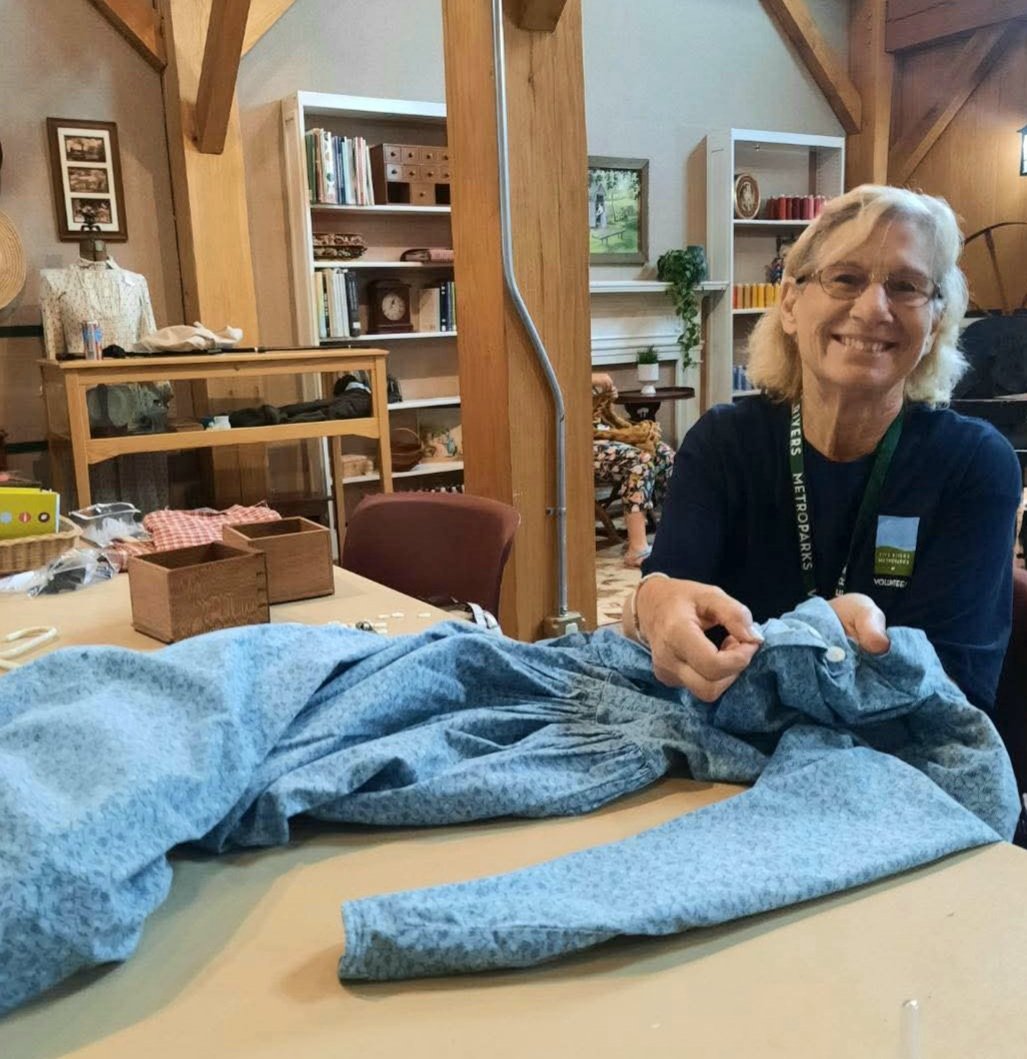
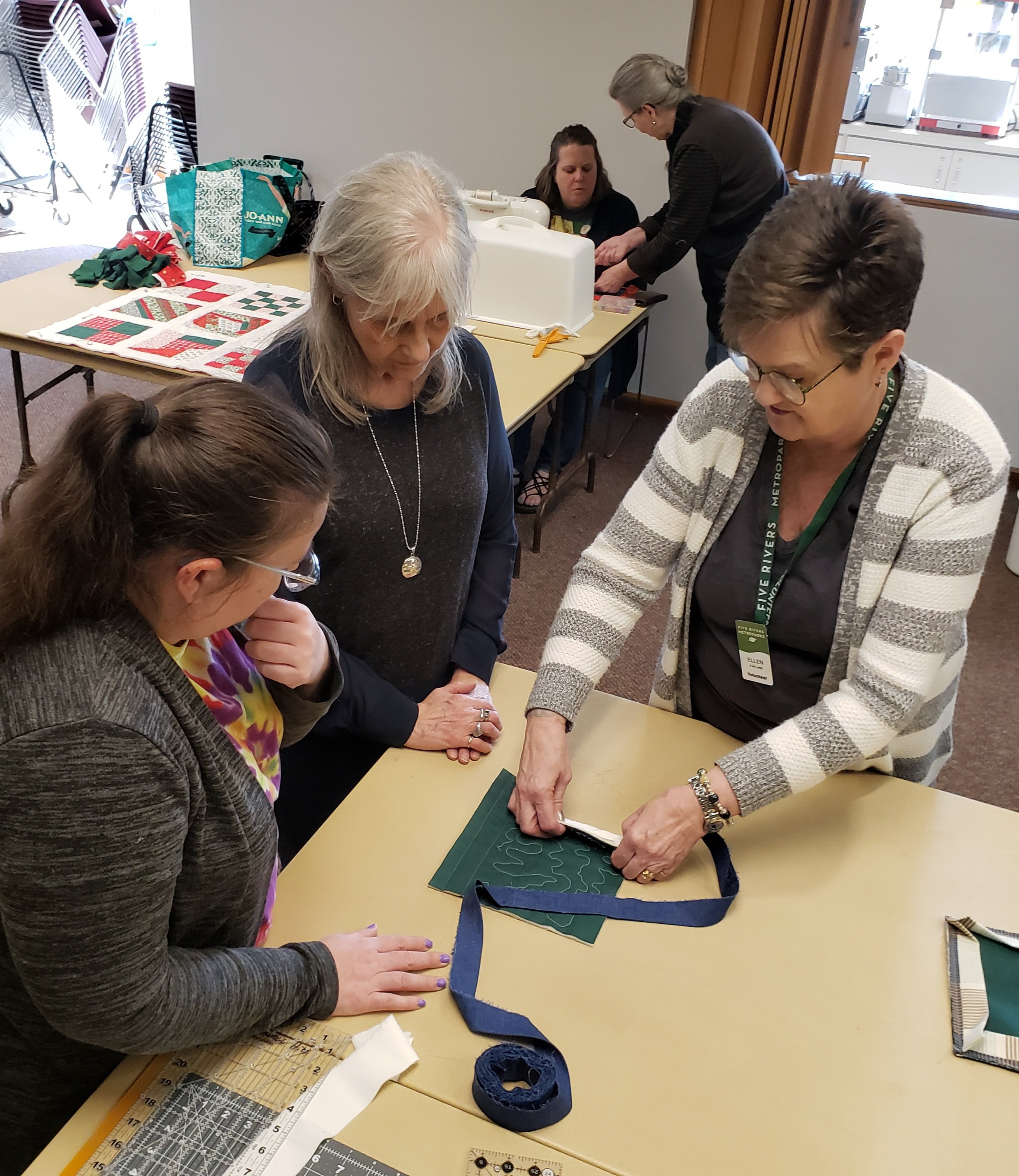
- Support and assist staff with cutting out the pattern, simple sewing by hand and machine, and correct care of the finished project.
- Knit and/or crochet items needed for winter wear. Items may include scarves, hats, socks, and wristers.
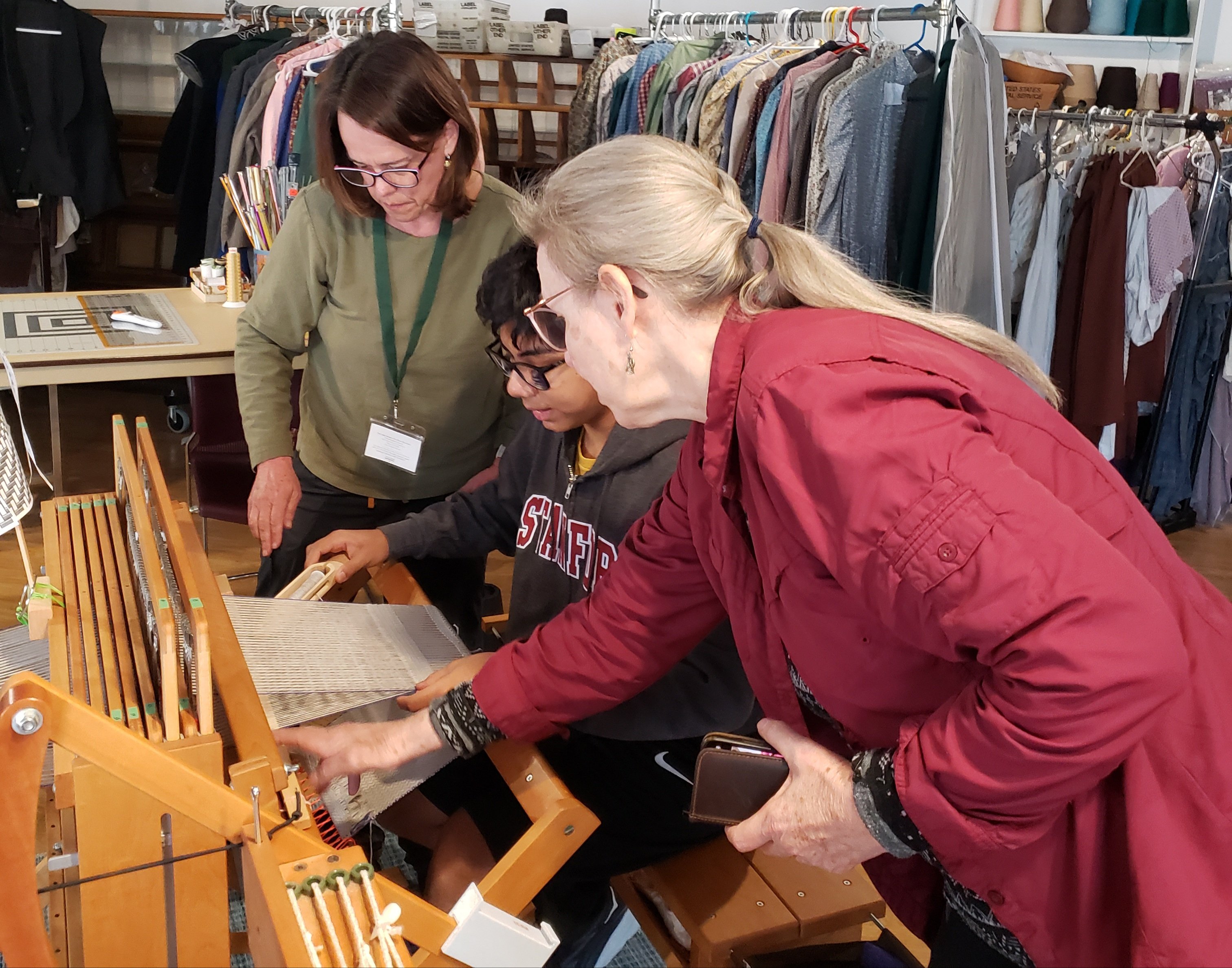
- Weaving will focus on scarves for use by the historic interpreters, towels for use in the kitchen of the Arnold home, and napkins for special programs.
- Volunteers will be working in small numbers and rotating the tasks/steps to make the project build proficiency in each of the steps of the project.
- Those volunteers who have done the modern knitting machine training can make socks, do simple projects, and demonstrate simple kids' bracelets for visitors.
- Visitors are welcomed into the textile room and may observe as volunteers are mending, making repairs, creating new clothing items, adding new buttons for historic clothing, and practicing their skills at Carriage Hill.
- Volunteers can support the staff lead with demonstrations while learning about the newer tools.
- Support new volunteers in gaining skills.
Eligibility
This opportunity is open to The following volunteers: Short-term and Long-Term who are 16 years or older, and who have completed the textile qualification. Learn more about our types of service here.
- Youth volunteers ages 14-17 are not required to complete a background check. If you are a new youth volunteer contact volunteer.services@metroparks.org to have your background check waived.
Additional Notes
- Parking & Meeting Instructions: Please park and walk to the visitor center. Knock on the entrance door if you are arriving a little late and the staff will greet you! Click here for a map of Carriage Hill MetroPark. Volunteers should arrive 15 minutes before the beginning of the opportunity. Staff leads will orient volunteers to the day's agenda and other important information.
- Environment & Physical Demands: This program takes place indoors. Volunteers may participate in some bending, kneeling, reaching, and lifting objects to 10 lbs or more. There will be sharp objects, knitting machines, looms, sewing machines, and other items that require you to be careful and work safely in a small space.
- Dress: Volunteers do not need to wear period apparel. Volunteers should dress for the weather, and wear their MetroParks name badge and t-shirt.
Look for Additional Details about this opportunity at the bottom of this listing! See the Skilled Trades Volunteer Position for more information on skilled trade opportunities with us.
Visit the Historic Interpreter page in our Training Library to see what training is required to become part of the Historic Interpreter volunteers.
Thank you for volunteering!