


This Shadow Experience opportunity is for those volunteers in training to serve as a Historic Interpreter Volunteer. You will be partnered with a qualified and experienced volunteer and/or Staff Lead during this shadow experience to observe, learn, and practice the skills needed to fully qualify as a Historic Interpreter.
Through oral history, letters, diaries, government records, and other primary and secondary sources, a picture of a lifestyle emerges that Carriage Hill interpreters can bring to life for the public. Volunteers represent what living in the 1880s might have been like, and help visitors make a stronger connection to the history of Carriage Hill and the experience of life on an 1880s working farm. Historic interpreter volunteers allow people to enjoy an experience at the historic farm, see demonstrations of simple everyday farm tasks, and get a personal introduction to life on the farm.
Impact
The interpretative purpose of the farm is to use the Arnold Family, who once lived at Carriage Hill Farm, as a guide to how a real conservative farm family is in real-time at a real place. Volunteers represent what living in the 1880s might have been like, and help visitors make a stronger connection to the history of Carriage Hill and experience life on an 1880s working farm.
Tasks
Under the supervision of the historic farm staff, volunteers assist and support with the following:
- Greet and welcome visitors to the historic farm.
- Share information about the farm, including the purpose of the buildings, daily farm tasks, special activities that may be offered, the animals on the farm, unique aspects of clothing worn, and how these things relate to modern life.
- Be an ambassador for Carriage Hill and share points of interest in the park and upcoming events with visitors.
- Assist staff with daily farm tasks in and around the historic homestead to help recreate life on the farm for visitors.
- Daily farm tasks may include sweeping the house, doing laundry, and dishes, starting the stove for hot water or making biscuits and cookies, harvesting from the heirloom garden as produce ripens, and general historic chores and craft
- Each weekend’s focus will be on various demonstrations and volunteer skill-building.
- Week 1: Saturday morning - hot water bath canning; Afternoon - period knitting and crocheting; Sunday - quilt piecing by hand and hand crank sewing machine
- Week 2: Saturday - Cookery - preparing period lunch in the morning and tea and a sweet treat in the afternoon; Sunday - quilt piecing by hand and hand crank sewing machine
- Week 3: Saturday morning - Storytime at the farm with activity; Afternoon - kids games (checkers, Jacob’s ladder, string games, old maid card game, shut the box); Sunday - quilt piecing by hand and hand crank sewing machine
- Week 4: Saturday - spinning, weaving, sewing, knitting, or crocheting; Sunday - quilt piecing by hand and crank sewing machine
- Week 5: Saturday morning - cookery; Afternoon spinning, weaving, sewing, knitting, or crocheting; Sunday - quilt piecing by hand or hand crank sewing machine
- Engage visitors in the activities on the farm when and where possible and safe to do so.
- Assist the staff lead during the program to create a better learning environment for this interactive program.
- Review additional materials, prepare for tour groups and visitors
- During the shadow experience, the staff lead will work with the volunteer to review and practice the various items on the annual historic interpreter check-off. Review the Check Off form here, and discuss the items with the staff lead.
Eligibility
This opportunity is open to individual, long-term, short-term volunteers, ages 16 and up who have completed the Historic Interpreter virtual training.
- GET STARTED: This opportunity requires Volunteer Onboarding (Profile, Volunteer Handbook Signature, and for those 18 and up an eligible background check), plus Historic Interpreter training. Simply click the blue RESPOND button to begin completing the required qualifications, or click here to learn more about becoming a volunteer.
- Historic Interpreter Qualification: Visit the Historic Interpreter page in our Training Library to see what training is required to become part of the Historic Interpreter volunteers.
Additional Notes
- Parking & Meeting Instructions: Volunteers will meet at the Historic Farm. Click here for a map of Carriage Hill MetroPark. Volunteers arrive 15 minutes before the beginning of the program. Staff leads will orient volunteers to the day's agenda, review specific stations, and provide any additional information needed.
- Cancellation: If you need to cancel a shift at the last minute or are running late, please contact your Staff Lead at the provided number.
- Environment & Physical Demands: This program takes place indoors and outdoors. Volunteers may participate in some bending, kneeling, reaching, and lifting objects to 10 lbs or more.
- Dress: Period apparel is required. Volunteers who need to be fitted must contact the staff lead to set an appointment before the opportunity.
Learn more about Programming opportunities with us on the Volunteer Position page! Have questions or need help getting started? Contact Volunteer Services at volunteer.services@metroparks.org or #937-275-7275 or join us at a Volunteer Open House.
Want to Branch Out? Exploring multiple opportunities is a great way to 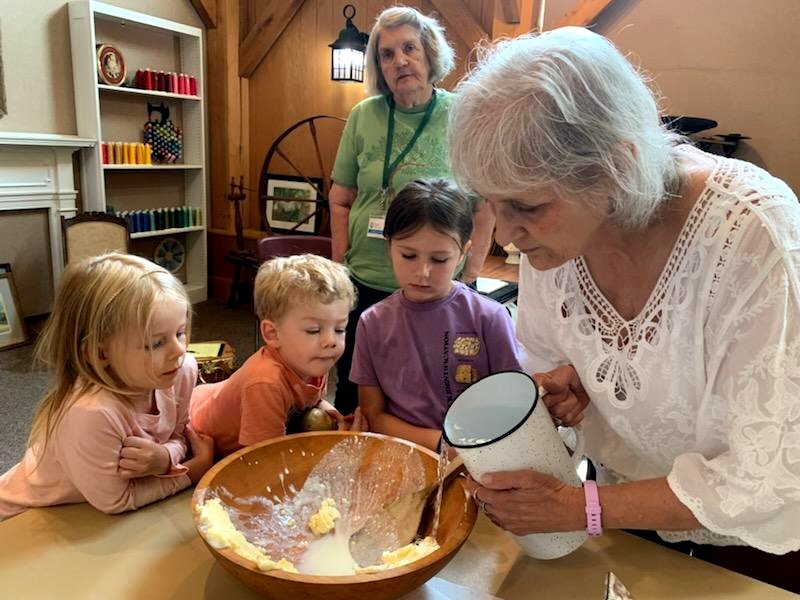 stay involved, build new skills, and experience different parts of the parks! Consider this/these opportunities: